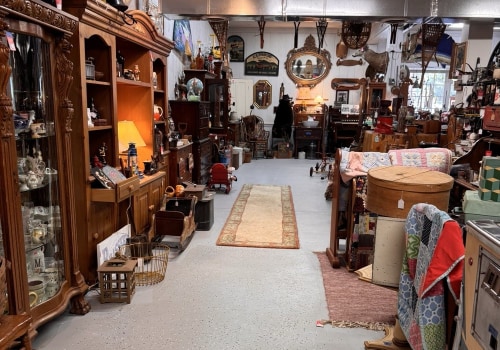
Antique shopping is more than just a pastime; it’s a journey through history, culture, and craftsmanship. In Belknap County, New Hampshire, antique shops offer a treasure trove of unique items that tell stories of the past. From vintage furniture to delicate glassware, each piece has its own narrative, waiting to be discovered by collectors and enthusiasts alike. The charm of these antiques lies not only in their aesthetic appeal but also in their ability to evoke nostalgia and inspire creativity in our modern living spaces.As you explore the diverse offerings in the antique shops of Belknap County, you’ll find that these establishments are often run by passionate individuals who have a deep appreciation for history and craftsmanship.
They curate collections that reflect the rich heritage of the region, making each visit an opportunity to learn something new. Whether you’re searching for a statement piece to enhance your home decor or a rare collectible to add to your collection, the antique shops here provide an array of options that cater to various tastes and budgets.However, the excitement of finding that perfect antique can quickly turn into a daunting task when it comes to transporting your new treasures home. Large or fragile items require careful handling and planning to ensure they arrive safely. Understanding the best practices for transporting antiques is essential for preserving their beauty and value.
In this guide, we will delve into essential tips for navigating the world of antique shopping in Belknap County while ensuring that your prized possessions are transported with care.
Preparing for Your Antique Shop Visit
Visiting antique shops in Belknap County, New Hampshire, can be an exhilarating experience filled with the thrill of discovery. However, to make the most of your trip, proper preparation is essential. Here are some key strategies to enhance your antique shopping adventure.- Conduct Thorough Research: Before setting out, take the time to research the various antique shops in Belknap County. Look for online reviews and ratings to gauge the reputation of each shop.
Websites and social media pages can provide insights into their inventory and specialties, helping you identify which stores align with your interests.
- Set a Realistic Budget: Antique shopping can be enticing, with many unique items vying for your attention. To avoid overspending, establish a budget before you go. Determine how much you’re willing to spend on individual pieces and stick to that limit. This will help you make more informed decisions and prevent buyer’s remorse.
- Bring Essential Tools: Equip yourself with tools that can assist in your shopping experience.
A measuring tape is invaluable for assessing whether larger items will fit in your home or designated space. Additionally, a notebook or smartphone can be useful for jotting down details about items you’re interested in, including prices and dimensions.
- Wear Comfortable Clothing: Antique shops can vary significantly in size and layout, often requiring extensive walking or standing. Dress comfortably and wear supportive shoes to ensure you can explore without discomfort. This will allow you to focus on finding the perfect pieces rather than being distracted by physical discomfort.
- Plan Your Route: If you intend to visit multiple shops in one day, plan your route ahead of time.
This will save you time and energy, allowing you to maximize your shopping experience. Consider grouping shops that are close together to minimize travel time between locations.
Assessing Items for Transport
When you find a piece that captures your interest in one of the antique shops in Belknap County, New Hampshire, it’s essential to assess its transportability before making a purchase. This evaluation process can save you from potential damage during transport and ensure that your new treasure arrives home safely.Check for Damage
Begin by closely inspecting the item for any signs of damage.Look for:
- Cracks: These can compromise the structural integrity of fragile items like ceramics or glass.
- Chips: Small chips may not seem significant, but they can worsen during transport.
- Loose Parts: Ensure that all components are securely attached. For example, check if drawers in furniture slide smoothly and if any decorative elements are at risk of detaching.
Consider Size and Weight
The size and weight of an antique are critical factors in determining how to transport it. Here are some tips:- Measure Dimensions: Before purchasing larger items, measure them to ensure they will fit in your vehicle. Consider both height and width.
- Assess Weight: Heavy items may require additional help for lifting and moving.
If an item feels too heavy, think about how you will manage it during transport.
- Disassembly Options: For larger pieces, check if they can be disassembled into smaller parts. This can make transport easier and reduce the risk of damage.
Evaluate Completeness
When buying antiques, especially collectibles, ensure that all parts are included. Missing components can affect the item's value and complicate transport. Ask the shop owner about:- Original Parts: Confirm that all original parts are present, such as hardware for furniture or lids for containers.
- Documentation: If available, request any provenance or documentation that accompanies the item.
This can enhance its value and provide context for future care.
Essential Packing Materials for Transporting Antiques
When it comes to transporting antiques, especially those acquired from antique shops in Belknap County, New Hampshire, using the right packing materials is essential for ensuring their safety and integrity. The following materials and techniques will help you effectively protect your valuable finds during transit.- Bubble Wrap: This versatile packing material is a must-have for safeguarding fragile items. Wrap each piece individually, ensuring that all surfaces are covered to absorb shocks and prevent breakage during transport.
- Foam Sheets: For larger or more intricate items, foam sheets provide an additional layer of cushioning.
They are particularly effective for protecting delicate details that may be prone to damage.
- Cardboard Boxes: Choose sturdy boxes that can support the weight of your antiques. For larger items, consider using double-walled boxes for added strength and durability. Ensure that the boxes are clean and dry to prevent any moisture damage.
- Packing Paper: Use unprinted packing paper to wrap smaller items or fill empty spaces in boxes. This prevents movement and reduces the risk of breakage during transport.
- Strapping Tape: High-quality packing tape is essential for securing your boxes.
Make sure to seal all seams and edges thoroughly to prevent any accidental openings while in transit.
- Disassemble When Possible: If your antique can be taken apart, do so. This not only makes it easier to pack but also reduces the risk of damage during transport.
- Label Boxes Clearly: Mark boxes containing fragile items with "FRAGILE" labels. This will alert anyone handling the boxes to take extra care.
- Use Blankets or Towels: For larger pieces, such as furniture, wrap them in moving blankets or thick towels for added protection against scratches and dents.
Best Practices for Loading Antiques into Your Vehicle
Loading antiques into your vehicle requires careful attention to detail to ensure that your newly acquired treasures remain undamaged during transit. Here are some best practices to follow when loading antiques, whether you’re using a car, truck, or van.1.Prepare Your Vehicle
- Clear the Space: Before loading, remove any unnecessary items from your vehicle.
This will create ample space for your antiques and reduce the risk of accidental damage.
- Protect Surfaces: Lay down moving blankets or padding in the cargo area. This provides a cushioned surface that can help prevent scratches and dents on both your antiques and the vehicle itself.
2.Assess Each Item
- Check Fragility: Examine each antique for its fragility. Items made of glass, ceramics, or delicate wood require extra care. Knowing which pieces need special handling will guide your loading process.
- Disassemble When Possible: If an item can be taken apart, do so.
Disassembling larger pieces, such as furniture, makes them easier to handle and reduces the risk of damage during transport.
3.Use Proper Lifting Techniques
- Lifting Safely: Always lift with your legs rather than your back to avoid injury. If an item is too heavy or awkward to lift alone, don’t hesitate to ask for help from friends or family.
- Keep Items Close: When lifting, keep the item close to your body. This helps maintain balance and control while maneuvering through tight spaces.
4.Secure Your Antiques
- Strap Down Larger Items: Once loaded, use tie-down straps or ropes to secure larger antiques in place. This prevents them from shifting during transit, which can lead to damage.
- Box Fragile Items: For smaller, fragile pieces, consider placing them in sturdy boxes with padding materials like bubble wrap or packing paper to minimize movement and protect against impacts.
5.Drive with Caution
Your driving style can significantly impact the safety of your antiques during transport.Here are some tips:
- Avoid Sudden Movements: Drive smoothly and avoid sudden stops or sharp turns that could jostle your items.
- Select Safe Routes: Whenever possible, choose back roads or less-traveled routes that may offer a smoother ride compared to busy highways.
Transporting Antiques: Tips for Different Vehicle Types
When it comes to transporting antiques from antique shops in Belknap County, New Hampshire, the type of vehicle you choose plays a crucial role in ensuring the safety and security of your valuable finds. Each vehicle type has its own advantages and considerations, so understanding how to best utilize them can make all the difference.Transporting Antiques in a Car
If you opt for a car, maximizing space while ensuring protection is key. Here are some tips:- Use Soft Padding: Wrap each antique item in soft blankets or bubble wrap to prevent scratches and damage during transit.
- Strategic Placement: Place heavier items on the bottom and lighter ones on top. This helps maintain balance and prevents crushing fragile pieces.
- Secure Your Load: Use seat belts or cargo nets to secure items in place, minimizing movement while driving.
- Avoid Direct Sunlight: If possible, park in shaded areas or cover your items to protect them from UV damage, which can fade colors and weaken materials.
Using a Truck for Antiques
A truck can provide ample space and flexibility for transporting larger antiques.Consider these tips:
- Utilize a Bed Cover: If your truck has a bed cover, use it to shield your antiques from rain or debris during transport.
- Tie-Down Straps: Secure larger items with tie-down straps to prevent shifting during transit. This is especially important for heavy furniture or large artwork.
- Consider a Ramp: For particularly heavy or bulky items, using a ramp can make loading and unloading much easier and safer.
Vans: The Ideal Choice for Antique Transport
If you have access to a van, it can be an excellent choice for transporting multiple antiques:- Ample Interior Space: Vans often provide more interior space and height, allowing you to transport larger items without cramming them into tight spaces.
- Cushioning Materials: Line the interior with moving blankets or foam padding to protect your antiques from bumps and jolts during transit.
- Organized Loading: Arrange items strategically within the van, placing heavier pieces on the bottom and securing them with straps to prevent movement.
Unloading and Setting Up Your Antiques at Home
Successfully transporting your antiques from the antique shops in Belknap County, New Hampshire, is only half the journey. The next crucial step is unloading and setting them up in your home, which requires careful handling to maintain their condition and enhance your home decor.Unloading Antiques Safely
When it comes to unloading your newly acquired treasures, safety should be your top priority.Here are some best practices to follow:
- Gather Assistance: If possible, enlist the help of friends or family members. Having extra hands can make the unloading process smoother and reduce the risk of accidents.
- Use Proper Equipment: Utilize dollies, moving blankets, and straps to secure larger items. This equipment can help prevent damage during the unloading process.
- Inspect Before Unloading: Before removing items from the vehicle, take a moment to inspect them for any visible damage that may have occurred during transport.
- Lift with Care: Always lift with your legs rather than your back. For heavier pieces, consider using a furniture dolly to avoid injury.
Setting Up Antiques at Home
Once you’ve safely unloaded your antiques, it’s time to find the perfect spot for each piece.Here are some tips for setting them up effectively:
- Choose the Right Location: Consider the size and style of each antique when selecting a location. Ensure that larger items have enough space around them to avoid overcrowding.
- Avoid Direct Sunlight: Many antiques can fade or become damaged when exposed to direct sunlight. Place them in shaded areas or use curtains to protect them from UV rays.
- Stability is Key: Ensure that all items are stable and secure. Use felt pads under furniture legs to prevent scratches on your floors and provide additional stability.
- Accessorize Thoughtfully: When displaying your antiques, consider how they interact with other decor elements.
Use complementary colors and styles to enhance their beauty without overwhelming them.
Frequently Asked Questions About Transporting Antiques
Transporting antiques can be a complex process, especially when considering the unique characteristics of each piece. Here are some frequently asked questions that can help you navigate the challenges of moving your treasured finds from antique shops in Belknap County, New Hampshire.What is the best way to pack antiques for transport?
When preparing antiques for transport, using the right packing materials is essential to ensure their safety. Here are some recommended materials and techniques:- Bubble Wrap: This is crucial for cushioning fragile items.
Wrap each piece individually, ensuring all surfaces are covered to absorb shocks during transit.
- Foam Sheets: For larger or more intricate items, foam sheets provide an additional layer of protection against impacts.
- Sturdy Boxes: Use high-quality, double-walled boxes for added strength, especially for heavier items. Ensure that boxes are appropriately sized to minimize movement.
- Packing Paper: Unprinted packing paper can be used to wrap smaller items or fill empty spaces in boxes to prevent shifting.
- Strapping Tape: Securely seal all seams and edges of your boxes with strong packing tape to prevent accidental openings during transport.
Should I hire professionals for transporting antiques?
If you have large or particularly valuable pieces, hiring professionals who specialize in antique transport can be a wise decision. These experts possess the necessary skills and equipment to handle your items safely. Look for companies with a solid reputation and positive reviews from previous customers.They can also provide insurance options for added peace of mind.
What should I do if my antique item gets damaged during transport?
If damage occurs during transport, it’s important to act quickly:- Document the Damage: Take clear photographs of the damaged item as soon as possible. This documentation will be crucial for any insurance claims.
- Contact Your Insurance Provider: If you have coverage for your antiques, reach out to your insurance company to discuss your options.
- Consult with Experts: Many antique shops in Belknap County may offer advice on restoration or repair services, so don’t hesitate to ask for their recommendations.
Are there specific regulations for transporting antiques?
While there are no federal regulations specifically governing the transport of antiques, it’s essential to be aware of state laws, especially if you plan on crossing state lines. Additionally, if your antique has significant historical value, consider consulting with a professional appraiser or conservator before transport to ensure compliance with any relevant regulations.By addressing these common questions about transporting antiques, you can better prepare yourself for the journey ahead. Always prioritize safety and care to ensure that your valuable finds from antique shops in Belknap County arrive at their new home in perfect condition.Conclusion: Safeguarding Your Antique Treasures
Transporting antiques from antique shops in Belknap County, New Hampshire, is an exciting journey that allows you to bring home unique pieces of history.However, it is essential to approach this task with careful planning and execution to ensure that your treasures arrive safely and in excellent condition. Throughout this guide, we have explored various aspects of transporting large or fragile items, emphasizing the importance of preparation, packing, and handling.First and foremost, understanding the specific needs of each antique is crucial. Whether you are dealing with a delicate porcelain vase or a hefty wooden cabinet, assessing the size, weight, and fragility of each item will inform your transport strategy. This assessment not only helps in choosing the right packing materials but also in determining whether you need assistance during loading and unloading.Utilizing appropriate packing materials cannot be overstated.
Items such as bubble wrap , foam sheets, and sturdy boxes are indispensable for protecting your antiques during transit. Additionally, employing proper packing techniques—like disassembling larger items when possible and clearly labeling boxes—will further safeguard your investments.When it comes to loading your antiques into your vehicle, following best practices is vital. Ensuring that your vehicle is prepared and that items are secured properly will minimize the risk of damage during transport. Remember to drive cautiously and avoid sudden movements that could jostle your precious cargo.Finally, once you arrive home, the unloading process should be handled with just as much care as the loading.
Gathering help and using the right equipment can make a significant difference in preventing accidents or damage.In conclusion, transporting antiques from antique shops in Belknap County requires a blend of knowledge, preparation, and respect for the items you are handling. By following the guidelines outlined in this guide, you can ensure that your antique treasures not only reach their new home safely but also continue to tell their stories for generations to come.