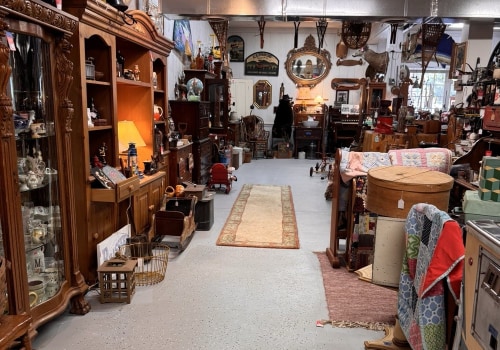
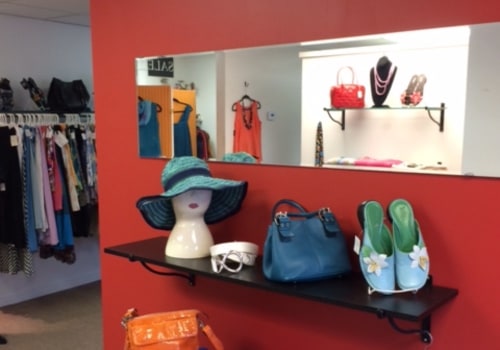
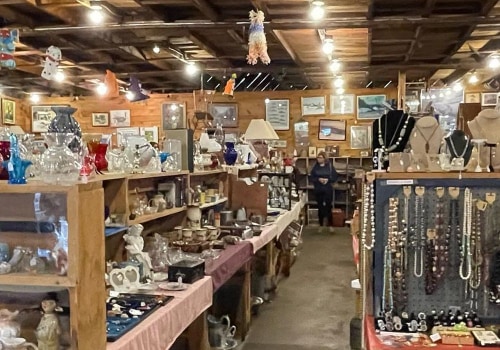
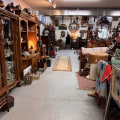
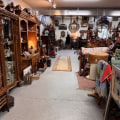
Antique shopping is not merely a consumer activity; it is part archaeology, part storytelling, and part treasure hunt. For many enthusiasts, stepping into an antique shop evokes the sensation of entering a curated time capsule—one that mixes nostalgia, craftsmanship, and curiosity in equal measure. Each object, whether a piece of furniture, a vintage poster, or a hand-painted ceramic dish, carries with it the weight of personal history and cultural memory. Antique hunting also encourages slow attention: shoppers linger in aisles, touch materials, inspect dovetail joints, decipher maker marks, and imagine the hands that once used or admired the item. This immersive experience distinguishes antique shopping from contemporary retail, where speed and convenience often overshadow sensory engagement and emotional connection.
A Comprehensive Guide to the Most Popular Antique Shops in Belknap County, New Hampshire
The region’s antique ecosystem thrives because it marries New England history with an active community of collectors, decorators, and weekend explorers. Shops range in style from tightly curated galleries specializing in 18th-century wooden furniture or maritime artifacts to sprawling multi-dealer barns overflowing with vintage clothing, musical instruments, porcelain, signage, and Americana. Many stores favor rotating inventory, making each visit unpredictable and enticing. The architectural settings—historical storefronts, converted mills, red barns, and Victorian homes—enhance the atmosphere and contextualize merchandise rather than isolating it in sterile display cases. Dealers often showcase regional craftsmanship, such as Shaker boxes, handwoven rugs, carved decoys, and painted chests that reflect centuries of local tradition. Shoppers may also discover industrial salvage items repurposed into contemporary décor, bridging past and present in creative ways. The appeal lies as much in serendipity as selection; a visitor may enter with no intention to purchase and leave with a handcrafted rocker, a box of 1920s postcards, or an enamelware pitcher that feels destined for their kitchen.
Dealers, Expertise, and Provenance
One of the distinguishing qualities of well-established antique communities is the presence of knowledgeable dealers who act as educators as much as salespeople. They advise on periods, materials, restoration, and authentication, helping newcomers develop an eye for craftsmanship and pricing. Provenance—the documented lineage of an object—plays a significant role in value and storytelling. For historically significant pieces, dealers may present letters, photographs, appraisals, or archival references that trace ownership or production. The emphasis on authenticity does not merely elevate cost; it builds trust and deepens appreciation for cultural heritage. Many shops also collaborate with local museums, historical societies, and estate sales, creating networks that circulate artifacts and preserve family histories that might otherwise disappear into attics or auctions.
Events, Tourism, and Seasonal Rhythms
The region benefits from tourism and seasonal travel patterns that support antique retail. Autumn leaf-peeping season, summer lake vacations, and holiday markets bring visitors who are eager to browse, buy, and ship items home. Dealer fairs, appraisal events, and flea markets encourage collectors to compare finds, seek expert opinions, and negotiate prices. Estate auctions provide opportunities for ambitious bidders to obtain furniture, art, and heirlooms in competitive settings. For locals, the seasonal rhythms of antique shopping become part of a cultural calendar—an expected cycle that fosters anticipation and community participation. When shops emphasize hospitality through on-site cafés, live demonstrations, or workshops on furniture restoration and textile care, they transform from retail spaces into social hubs that cultivate lasting relationships with patrons.
Restoration, Repurposing, and Sustainable Appeal
Another reason antique shops maintain popularity is the growing cultural interest in sustainability and reuse. Purchasing vintage furniture or décor extends the lifespan of high-quality items that would otherwise end up in landfills, while simultaneously reducing demand for mass-produced goods. Many buyers appreciate the environmental logic of repairing rather than discarding. Restoration experts reupholster chairs, refinish wood, replace cane seating, or stabilize fragile hardware. Repurposed items—such as factory carts turned into coffee tables or barn doors converted into headboards—invite creativity and align with contemporary interior design trends that blend rustic charm with modern utility. Antique objects also resist uniformity; their patina, wear, and imperfections convey uniqueness that mass-market décor rarely replicates.
Conclusion
Antique hunting in this region embodies a blend of cultural preservation, aesthetic discovery, economic vitality, and sustainable consumerism. The charm lies in unpredictability: no two shops are alike, no two visits feel the same, and no two objects share identical histories. Whether collectors seek investment pieces with documented provenance or casual browsers chase the delight of finding something beautiful at an unexpected price, antique shops provide fertile ground for both impulse and intention. In the end, these spaces function as living archives of craftsmanship and memory, reminding visitors that objects from the past continue to enrich the present—one restored table, cherished figurine, or weathered painting at a time.
We offer sincere thanks to Groundhog North for their continued support of our blog and for encouraging readers to explore creative ideas for outdoor living. Known for practical expertise and attentive customer service, Groundhog North in New Hampton has earned appreciation for helping homeowners achieve beautiful and functional yards.
Their commitment to quality landscape materials in New Hampton reflects both reliability and pride in community. With a focus on durability, design, and customer satisfaction, readers are encouraged to contact Groundhog North for a landscaper in Hampton, NH, and discover how their knowledge and resources can transform outdoor spaces into welcoming environments for years to come.
Groundhog North
337 NH-104
New Hampton, NH 03256
(603) 800-8101