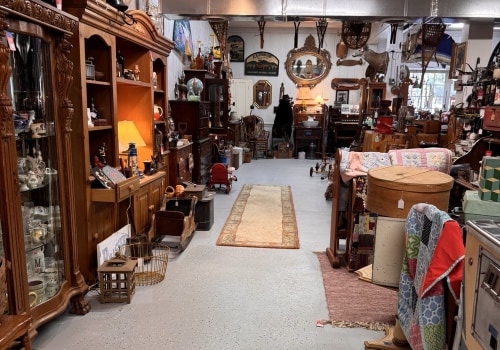
Belknap County, New Hampshire, is a hidden gem for antique lovers, offering a captivating blend of history and charm that draws collectors and casual shoppers alike. The antique shops in Belknap County are not just retail spaces; they are portals to the past, filled with unique treasures that tell stories of bygone eras. From rustic farmhouse decor to elegant Victorian pieces, each item has its own narrative, waiting to be discovered by those who appreciate the artistry and craftsmanship of earlier times.As you explore the diverse array of shops scattered throughout the county, you will find that each establishment has its own character and specialty. Some may focus on vintage furniture, while others might showcase rare collectibles or exquisite jewelry.
This variety not only enhances the shopping experience but also provides ample opportunities for negotiation. Understanding how to navigate these discussions can significantly impact your ability to secure a great deal on your next antique find.Before diving into the world of antique shopping, it’s essential to equip yourself with some effective antique shopping tips. Familiarizing yourself with the local market and the specific shops you plan to visit can enhance your bargaining power. Knowing what items are worth and how to approach negotiations can transform your experience from mere browsing into a rewarding treasure hunt.
Whether you’re a seasoned collector or a newcomer eager to explore, mastering the art of negotiation will not only help you find unique pieces but also foster relationships with shop owners who share your passion for antiques.
Understanding the Antique Market in Belknap County
Belknap County, New Hampshire, is a vibrant hub for antique enthusiasts, characterized by a rich tapestry of history and culture that is reflected in its antique shops. The antique market in Belknap County is not just about buying and selling; it embodies a deep appreciation for the past and the stories that each item carries. Understanding the unique characteristics of this market is essential for anyone looking to navigate the world of antiques effectively.One of the defining features of the antique shops in this region is their diversity. Each shop tends to have its own specialty, which can range from vintage furniture and collectibles to rare books and artwork.For instance, some shops may focus on New England farmhouse decor , showcasing rustic pieces that evoke the charm of rural life, while others might offer exquisite Victorian items that reflect a more opulent era. This variety not only enhances the shopping experience but also provides ample opportunities for negotiation.The local antique culture in Belknap County is deeply rooted in community values. Many shops are family-owned and operated, with owners who are passionate about preserving the heritage of their items. This personal touch often translates into a willingness to engage with customers, making it easier to discuss prices and negotiate deals.
Shop owners typically value relationships with their clientele, understanding that repeat business is crucial in a niche market like antiques.Moreover, the antique shops often serve as cultural landmarks within their communities. They host events such as antique fairs , workshops, and exhibitions that not only promote their inventory but also foster a sense of community among collectors and enthusiasts. These gatherings provide an excellent opportunity for shoppers to learn more about antiques, meet fellow enthusiasts, and even connect with local dealers.In summary, understanding the characteristics of the antique market in Belknap County involves recognizing the diversity of shops, the cultural significance of antiques, and the importance of building relationships with shop owners. This knowledge will not only enhance your shopping experience but also empower you during negotiations, allowing you to appreciate both the value of the items and the stories they tell.
Researching Antique Shops: Your First Step to Successful Negotiation
Before embarking on your journey to negotiate prices at antique shops in Belknap County, New Hampshire, it is essential to conduct thorough research.This preparation not only enhances your understanding of the local market but also equips you with the knowledge needed to engage effectively with shop owners.
Finding Reputable Antique Shops
- Start by compiling a list of antique shops in Belknap County. Utilize online platforms such as Google Maps, Yelp, and Facebook to locate shops in the area.
- Pay attention to customer reviews and ratings. These insights can reveal the quality of items available and the overall shopping experience.
- Consider joining local antique enthusiast groups on social media. These communities often share valuable recommendations and experiences that can lead you to lesser-known shops.
Reading Shop Reviews
Reviews are a goldmine of information when it comes to understanding a shop's reputation.
Look for comments that highlight:
- The quality of items: Are customers satisfied with their purchases? Do they mention unique finds?
- The friendliness and expertise of staff: Knowledgeable shop owners can provide insights into the history and value of items, which can be beneficial during negotiations.
- Pricing practices: Are prices generally firm, or do shop owners show flexibility? This information can help you gauge how much room there might be for negotiation.
Understanding Pricing Practices
Each antique shop may have its own pricing strategy based on factors such as item rarity, condition, and demand. Familiarizing yourself with these practices can significantly enhance your bargaining power:
- If an item has been in the shop for an extended period, the owner may be more willing to negotiate.
- Items in excellent condition or those that are highly sought after may have less flexibility in pricing.
Preparing for Negotiation: Essential Tips and Strategies
When preparing to negotiate prices at antique shops in Belknap County, New Hampshire, a strategic approach can significantly enhance your chances of securing a favorable deal. Here are some essential tips and strategies to consider:Research Market Values
Before stepping into an antique shop, it’s crucial to have a solid understanding of the market value of the items you’re interested in.Utilize online resources such as:
- eBay : Check completed listings for similar items to gauge their selling prices.
- Antiques Roadshow : This can provide insights into the valuation of various antiques.
- Price Guides : Consult books or websites dedicated to antique pricing to understand fair market values.
Understand Pricing Strategies
Antique shops often employ various pricing strategies based on factors such as rarity, condition, and demand. Familiarize yourself with these elements:- Rarity : Items that are hard to find may be priced higher but could also have more room for negotiation.
- Condition : Assess the item’s condition carefully. If there are any flaws or repairs needed, use these points as leverage in your discussions.
- Market Demand : Items that are currently trending may have less flexibility in pricing compared to those that are not in high demand.
Build Rapport with Shop Owners
Establishing a friendly relationship with shop owners can greatly influence your negotiation outcomes. Here’s how to build rapport:- Engage in Conversation : Show genuine interest in the items and ask questions about their history or provenance.
This not only demonstrates your enthusiasm but also helps create a connection.
- Share Your Interests : Let the owner know what types of antiques you’re passionate about. This transparency can lead them to offer you items that align with your interests, potentially at better prices.
- Be Respectful and Polite : A courteous demeanor goes a long way. Shop owners appreciate respectful customers and are often more willing to negotiate with someone who treats them well.
Know When to Walk Away
A powerful negotiation tactic is being prepared to walk away if the price doesn’t meet your expectations. This strategy can prompt sellers to reconsider their offers.Here are some tips:
- Set a Budget : Before entering the shop, determine your maximum budget for each item. Stick to this limit during negotiations.
- Be Firm but Polite : If negotiations stall, express your appreciation for their time and let them know you’ll think it over. Sometimes, this can lead to a follow-up offer from the seller.
- Don’t Rush Decisions : Take your time when considering an offer. A thoughtful approach can lead to better outcomes.
Effective Negotiation Techniques for Antique Shopping
Negotiating effectively at antique shops in Belknap County requires a blend of strategy, confidence, and interpersonal skills.Here are some essential techniques to enhance your bargaining skills and ensure you close deals that benefit both you and the shop owner.
Understand the Value of Items
Before entering an antique shop, it’s crucial to have a solid understanding of the items you’re interested in. Research their market value through online platforms like eBay or specialized antique websites. This knowledge empowers you to make informed offers and helps you recognize when a price is fair or inflated.Build Rapport with Shop Owners
Establishing a friendly relationship with shop owners can significantly improve your negotiation outcomes. Engage them in conversation about their items, share your interests, and express genuine appreciation for their collection.A positive rapport can lead to more favorable pricing, as owners are often more willing to negotiate with someone they trust.
Utilize Effective Body Language
Your body language plays a vital role in negotiations. Maintain an open posture, make eye contact, and smile to convey confidence and approachability. Avoid crossing your arms or appearing disinterested, as this can signal that you are not serious about the negotiation. Instead, show enthusiasm for the items while remaining composed.Make Reasonable Offers
When it’s time to present your offer, start with a price that is lower than what you’re willing to pay but still reasonable.This strategy gives you room to negotiate upwards while aiming for a price that feels like a win for both parties. For instance, if an item is priced at $100, consider starting your offer at $80; this allows for negotiation without offending the seller.
Be Prepared to Walk Away
One of the most powerful tactics in negotiation is being willing to walk away if the terms don’t meet your expectations. This approach demonstrates that you are serious about your budget and may prompt the seller to reconsider their offer. Sometimes, simply leaving the shop can lead to a follow-up offer from the seller who may be more inclined to negotiate once they see you are ready to leave.Know When to Close the Deal
Once you reach a price that feels right, don’t hesitate to finalize the purchase.Express your satisfaction with the agreement and complete the transaction promptly. This not only secures your item but also leaves a positive impression on the seller for future visits. Remember, closing a deal is as much about timing as it is about price; knowing when to act can make all the difference.By applying these effective negotiation techniques at antique shops in Belknap County, you can enhance your shopping experience and uncover unique treasures at prices that fit your budget.
Common Mistakes to Avoid When Negotiating Prices
Negotiating prices at antique shops can be a rewarding experience, but it’s essential to navigate the process carefully to avoid common pitfalls. Here are some frequent mistakes that shoppers make during negotiations and tips on how to steer clear of them.- Neglecting Research: One of the most significant errors is entering an antique shop without adequate knowledge of the items you’re interested in.
Failing to research the market value of specific antiques can leave you vulnerable to overpaying. Before visiting, take time to explore online resources, price guides, and auction results to understand what similar items are selling for.
- Exhibiting Excessive Enthusiasm: While it’s natural to feel excited about a potential purchase, showing too much interest can weaken your negotiating position. If a seller senses your eagerness, they may be less inclined to lower the price. Maintain a calm demeanor and express interest without revealing how much you desire the item.
- Ignoring Condition and Authenticity: Always assess the condition of an item before entering negotiations.
If there are visible flaws or repairs, use these factors as leverage in your discussions. Additionally, ensure that the item is authentic; replicas may not hold the same value and can be a point of negotiation.
- Starting with an Unreasonable Offer: While it’s important to negotiate, beginning with a lowball offer can offend the seller and shut down negotiations entirely. Instead, start with a fair offer based on your research that allows room for upward negotiation while still respecting the item's value.
- Failing to Build Rapport: Establishing a connection with the shop owner or staff can significantly enhance your negotiating power. Engage in conversation about the items, share your interests, and show genuine appreciation for their collection.
A positive relationship can lead to more favorable pricing.
Building Relationships with Antique Shop Owners
Establishing strong relationships with antique shop owners in Belknap County can significantly enhance your shopping experience and improve your chances of securing better deals. When you take the time to build rapport with these individuals, you not only gain access to unique items but also create a network that can lead to future opportunities.Understanding the Importance of Relationships
Antique shop owners often value customers who show genuine interest in their collections. By engaging in meaningful conversations about the history and significance of various pieces, you demonstrate that you appreciate their expertise.
This connection can foster trust, making owners more inclined to offer discounts or negotiate prices when they see you as a valued customer rather than just another buyer.
Networking with Antique Dealers
Networking is a vital aspect of the antique community. Attend local antique fairs, join collector groups, or participate in community events related to antiques. These activities not only expand your knowledge but also allow you to meet various dealers and shop owners. The more familiar you become with them, the more likely they are to offer you exclusive deals or early access to new items.
Long-Term Strategies for Building Relationships
- Be Patient: Building a relationship takes time.
Focus on fostering a connection first before diving into negotiations.
- Communicate Openly: Share your interests and preferences with the shop owner. This transparency helps them understand what you’re looking for and tailor their offers accordingly.
- Show Loyalty: Frequent visits and purchases can demonstrate your commitment to the shop, making owners more inclined to offer discounts or special deals.
- Follow Up: After making a purchase, consider sending a thank-you note or message. This small gesture can leave a lasting impression and keep you on their radar for future negotiations.
FAQs About Negotiating Prices at Antique Shops in Belknap County
When it comes to negotiating prices at antique shops in Belknap County, New Hampshire, many shoppers find themselves with questions.Understanding the nuances of negotiation can significantly enhance your experience and help you secure better deals. Here are some frequently asked questions that can guide you through the process.
What is the best time to negotiate prices?
The ideal time to negotiate is often during off-peak hours. Visiting antique shops early in the morning or on weekdays can provide a more relaxed atmosphere, allowing shop owners to engage in conversation and be more open to negotiation. During busy times, such as weekends or holidays, shop owners may be less inclined to negotiate due to the high volume of customers.How much should I offer below the asking price?
A common strategy is to start your offer at about 10-20% below the asking price.This approach gives you room to negotiate while still showing respect for the item's value. However, be mindful of the item's condition and market demand, as these factors can influence how much flexibility a seller may have.
Are there specific items that are easier to negotiate?
- Furniture: Larger items like furniture often have more room for negotiation due to their higher price points.
- Collectibles: Items that are not currently in high demand may also be more negotiable.
- Seasonal items: Items that are out of season might see a greater willingness from sellers to lower prices.
Should I be polite when negotiating?
Absolutely! Politeness and friendliness can go a long way in negotiations. Shop owners appreciate respectful customers and are often more willing to negotiate with someone who shows genuine interest in their items. A positive attitude can create a more favorable negotiating environment.What if the shop owner refuses to lower the price?
If a shop owner stands firm on their price, consider asking if they have any upcoming sales or promotions.You might also express your interest in the item and inquire if they would be willing to hold it for a short period while you think it over. This shows that you are serious about your purchase while giving you time to reconsider your budget.By understanding these common questions and their answers, you can approach your visits to antique shops in Belknap County with greater confidence and clarity. This knowledge not only enhances your shopping experience but also increases your chances of finding unique treasures at prices that fit your budget.
Conclusion: Mastering Your Antique Shopping Experience in Belknap County
In conclusion, mastering the art of negotiating prices at antique shops in Belknap County, New Hampshire, is a multifaceted endeavor that requires a blend of knowledge, strategy, and interpersonal skills. Throughout this article, we have explored various aspects that contribute to successful negotiations, emphasizing the importance of preparation and understanding the unique characteristics of the local antique market.One of the most critical takeaways is the necessity of thorough research.Before stepping into any antique shop, it is essential to familiarize yourself with the items you are interested in and their market values. This knowledge not only empowers you during negotiations but also demonstrates to shop owners that you are a serious buyer who respects the value of their merchandise.Building rapport with shop owners and staff is another vital component of successful negotiations. Establishing a friendly relationship can create a more favorable environment for discussions about pricing. When shopkeepers feel a connection with their customers, they are often more willing to consider offers and negotiate terms.
Engaging in genuine conversations about the items and showing appreciation for their collections can go a long way in fostering this relationship.Moreover, it is crucial to approach negotiations with respect and understanding. Recognizing the expertise of shop owners and valuing their items can lead to more productive discussions. A respectful attitude not only enhances your chances of securing a better deal but also leaves a positive impression that may benefit future interactions.Finally, being prepared to walk away if necessary is an essential tactic in negotiations. If an item does not meet your budget or expectations, demonstrating your willingness to leave can sometimes prompt sellers to reconsider their pricing.
This strategy reinforces your position as a discerning buyer who knows what they want.By applying these strategies—conducting thorough research, building rapport, respecting the seller's expertise, and knowing when to walk away—you can significantly enhance your antique shopping experience in Belknap County. Each visit to an antique shop should be viewed not just as a transaction but as an opportunity for discovery and connection with history. With these tools at your disposal, you are well-equipped to uncover unique treasures at prices that align with your budget.